
Restaurant Commissary Kitchens: When They Work (and When They Don't)
Commissaries can unlock unit economics and consistency at scale — or layer in coordination overhead with no payoff. A practical look at when to add one.

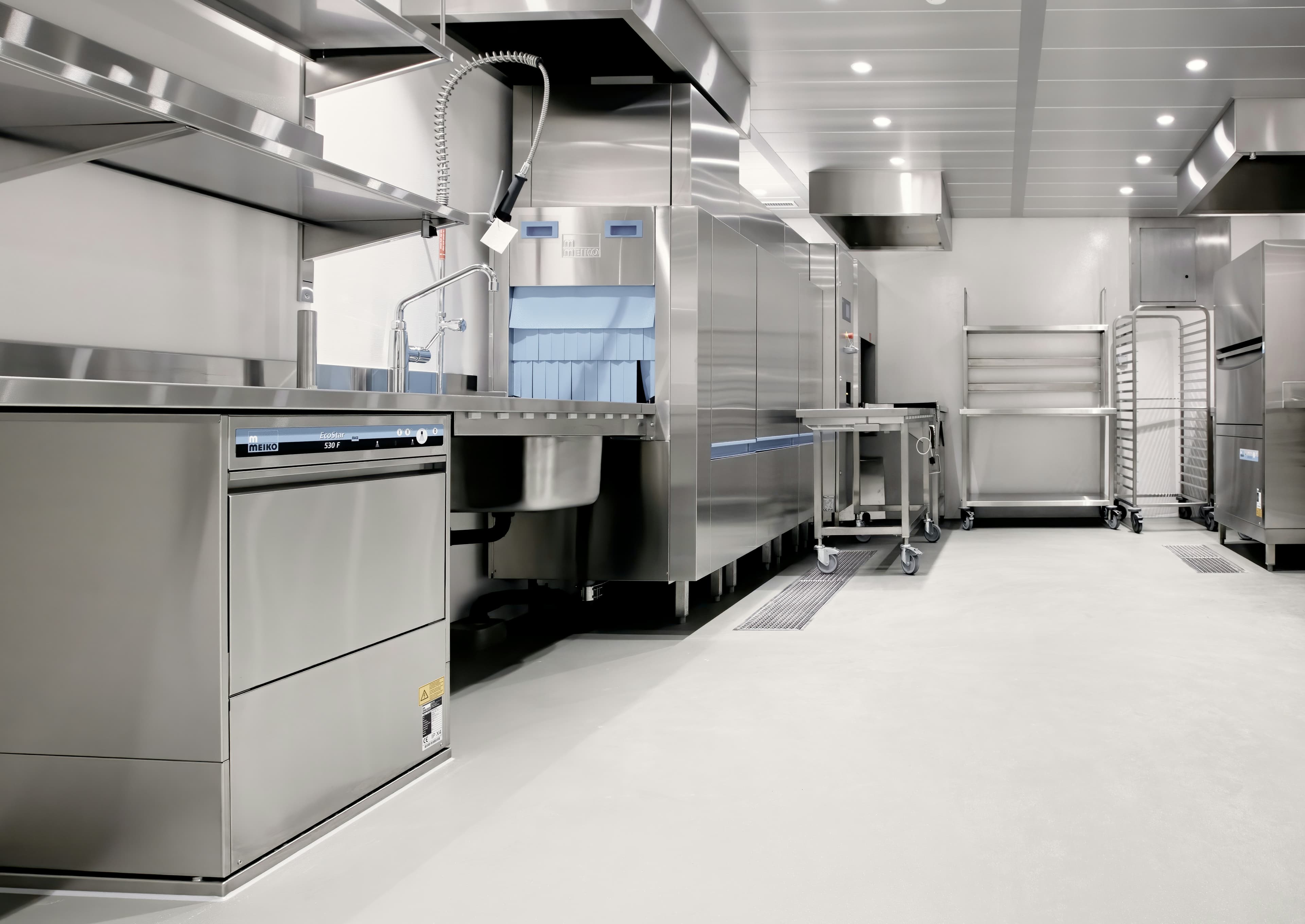
Many restaurant groups operate commissary kitchens as a cornerstone of their scaling strategy. However, the decision to implement one isn't universally beneficial — timing and operational fit matter significantly.
A commissary kitchen functions as a central production facility where restaurants prepare food in bulk for distribution across multiple locations. This hub-and-spoke model can enhance consistency, reduce costs, and accelerate multi-unit expansion, though it requires careful consideration before implementation.
The Economic Calculation
The commissary model presents a fundamental tradeoff: centralized production costs offset against reduced per-location expenses. When successful, operators benefit from:
- Reduced in-store staffing requirements
- Improved supplier leverage
- Decreased food waste
- Eliminated equipment duplication
- Lower system-wide occupancy costs
Conversely, failed implementations create a second kitchen, a delivery operation, and another layer of coordination — without the ROI. Often overlooked is the coordination overhead across production, transfers, and inventory management — areas where visibility gaps cause operational breakdown.
Real estate represents a major advantage: relocating production from expensive retail to lower-cost industrial space enables smaller, more flexible retail footprints, even in high-rent markets.
Ideal Commissary Scenarios
Commissaries function optimally when production is batchable or equipment-intensive, allowing substantial preparation before service. Suitable concepts include:
- Equipment-heavy operations (bakeries, barbecue, dough production)
- Sauce and marinade-driven cuisines (Mexican, Indian)
- Assembly-focused formats (salads, bowls, sandwiches)
- Dessert and CPG-adjacent businesses (ice cream, cookies)
- Delivery-first concepts and ghost kitchens
- Standardized or franchise systems prioritizing consistency
Timing Considerations
Implementation timing significantly impacts success. Operators should maximize existing kitchen capacity before establishing separate facilities. The transition typically becomes worthwhile at 5–10+ locations, when decentralized preparation inefficiencies become evident and justify dedicated commissary investment.
Conceptual Framework
Restaurants function simultaneously as retail operations and small manufacturers. Commissary kitchens represent a strategic decision separating these functions. When properly aligned with concept and scale, this arrangement delivers superior unit economics, consistency, and expansion capability. However, misalignment introduces complexity and overhead without corresponding benefits.
Ready to scale past the spreadsheet?
Whether you're still on Google Spreadsheets or outgrowing a legacy ERP, walk through Tarragon's Predictive Operations and Food Costing with our team — typically a 30-minute call.
Book a demo