
Why I Joined Tarragon
Julia worked the line, prepped before sunrise, and studied hospitality at Cornell before joining Tarragon this summer — why the operational complexity she lived firsthand is exactly the problem she wanted to help solve.

When people think about restaurants, they usually think about the food.
I think about everything happening behind it.
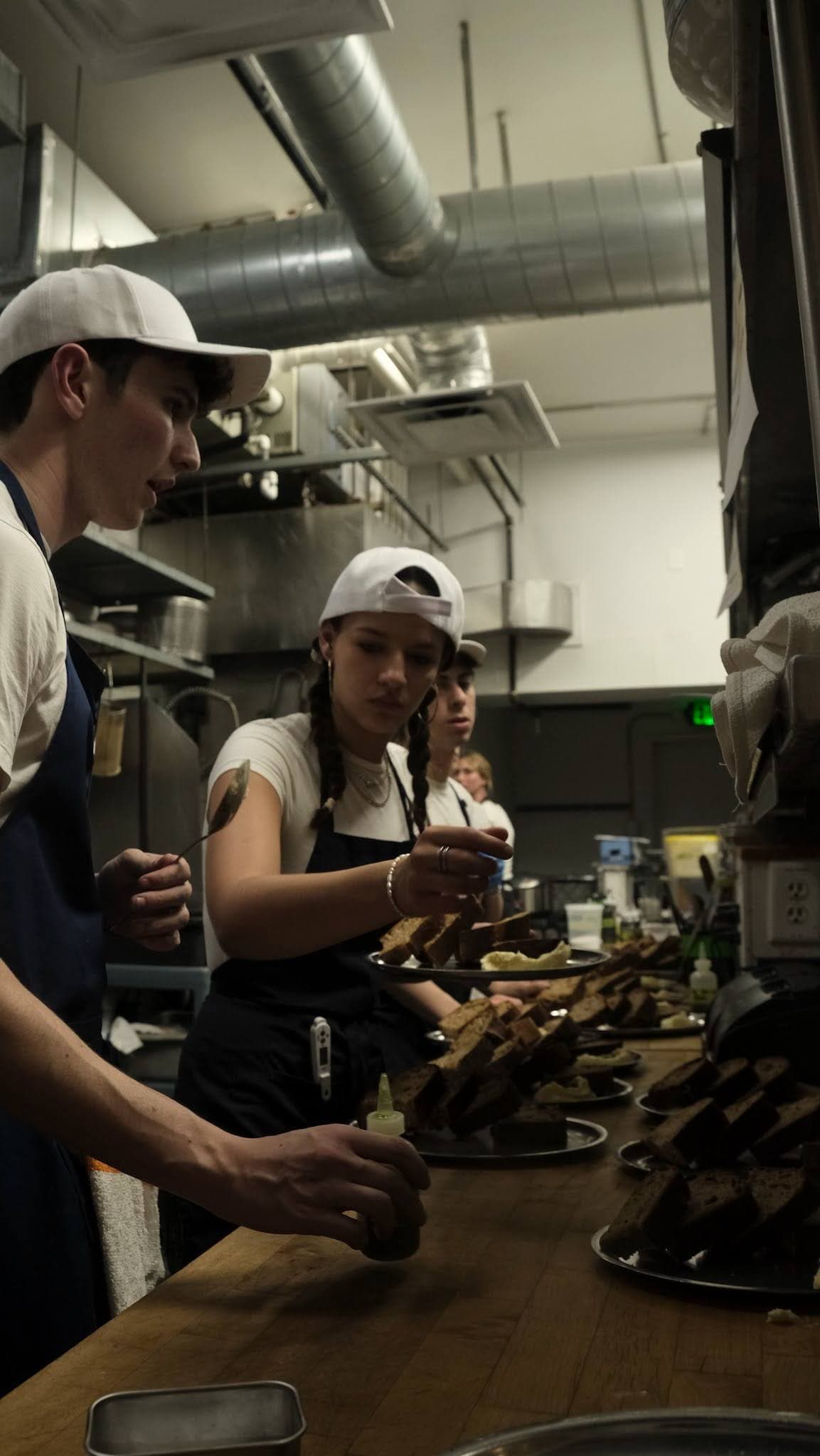
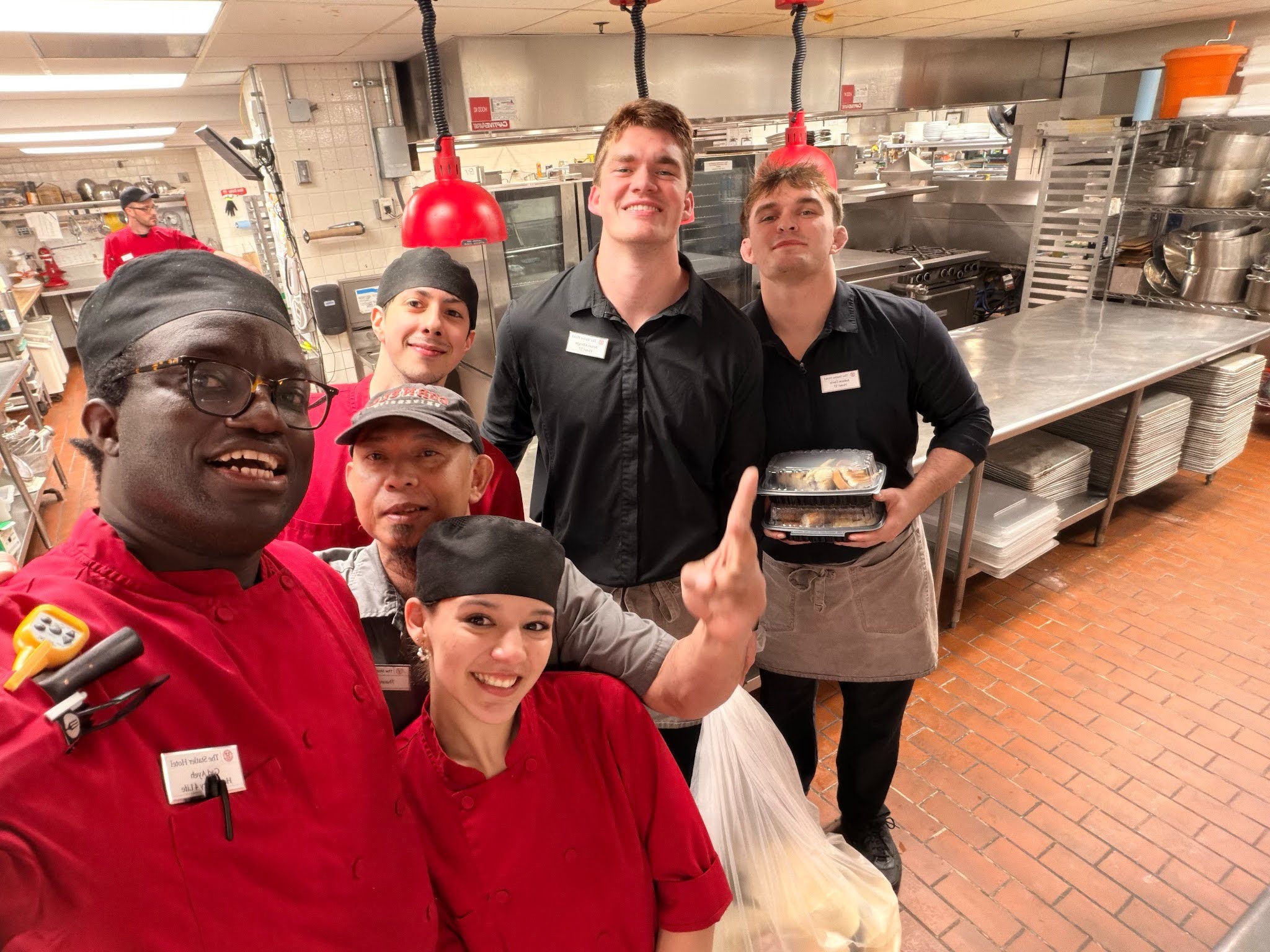
Before joining Tarragon, I spent years working in restaurants, bakeries, and hotels. I've worked the line during dinner rushes, prepped ingredients before sunrise, and experienced firsthand how much happens before a plate ever reaches a guest.
Today, I'm studying Hotel Administration at Cornell, where I've had the opportunity to dive deeper into restaurant operations and the economics that drive the industry.
One lesson has followed me everywhere I've worked: great restaurants aren't held back by a lack of passion. They're held back by operational complexity.
I experienced this complexity firsthand as a line cook, where prep lists were created manually at the end of each shift and forecasting often relied solely on the reservations on the books that morning. Without a clear picture of actual inventory levels or expected demand, we constantly overprepared certain ingredients while underpreparing others. Some days that meant running out of key items and other days it meant throwing away perfectly good food that never had the chance to be served.
Working in kitchens gave me an appreciation for these challenges. Studying hospitality helped me understand why they happen. Joining Tarragon showed me that they don't have to.
I was excited to join Tarragon this summer because I've lived the pain we're solving firsthand. Tarragon helps operators do less with more. We're helping to reduce waste, control costs, and make smarter operational decisions in the kitchen. This doesn't just benefit operators, it creates a healthier supply chain and ultimately a better experience for every employee and each guest who walks through the door.
Having stood on both sides — inside the kitchen and now working alongside the people building the technology — I believe this is where the future of restaurant operations is headed. I'm excited to share what I'm learning along the way.
Ready to scale past the spreadsheet?
Whether you're still on Google Spreadsheets or outgrowing a legacy ERP, walk through Tarragon's Predictive Operations and Food Costing with our team — typically a 30-minute call.
Book a demo